

What is life? What is death?
We have all likely asked ourselves these questions at some point. It is necessary to go deeper and become aware of both moments, which are part of a constant flow of becoming that we often do not reflect on. Why delve into this?
Why does thinking about our own death teach us how to live?
Throughout my career as a physician and thanatologist, I have realized that people who have been seriously ill or who are living their final days reflect on the value of those around them—family and friends. Their expressions of affection and their presence are deeply appreciated.
They come to understand that the difficulties—or conflicts—they have had with others are not truly very important. With gentle guidance, a need awakens in them to ask forgiveness from those they have hurt and to forgive those who have hurt them—understanding that others also make mistakes and that they, too, have had difficult life stories. Many express that if they had realized this earlier, they would have had better interpersonal relationships. They feel that it is already too late to correct their mistakes. Reflecting on the experiences of the dying, why wait until extreme situations arise?
We could take advantage of what others have lived through, learn from them, and dare to think about our own death, as it may help us work more consciously to harmonize our relationships, communicate with those around us, truly know them, and resolve conflicts.
Perhaps we would learn to prioritize better—to “leave nothing unsaid,” not wait for difficult moments to change course, and not postpone what we truly want: in other words, to let go of the superficial and focus on what is most essential in our lives.
If we are honest, no one knows when we will die, especially if we are young or healthy—we don’t even think about it.
However, we know that death comes at any age: to newborns, young people, or the elderly. Death lies in the future of every human being.
In reality, life can change in a second—for example, because of an unexpected serious illness, an accident, or a complicated surgery. However, if I consider the possibility of my own death, it can become a powerful compass for living better before sudden situations arise. Of course, this implies living more consciously; it requires effort.
Why are we afraid of death?
Could it be that I am attached to what I have achieved materially?
Today, attachment remains an attitude that causes us great suffering: attachment to things I have acquired, to academic status, to social status; attachment to what I have done, to my beliefs, to my ideas—in short, attachment to everything external, as if all that were me.
The self is within me, deep inside, and has nothing to do with what is changing or superficial. All of that only binds me and makes me suffer because of my confusion—I believe I am my new car and relate to others through it; I believe I need the latest cellphone to connect with others. We could list many examples.
We lose ourselves in the whirlwind of what lies outside us without connecting with our true self—the one that does not need to be told what it needs, the one that seeks to free itself from beliefs shaped by family, culture, or circumstances.
So, since I do not truly know myself—who I am (apart from the crowd), what I really want, why I am here, and where I am going—I live outwardly. Does death confront me with everything I am not and with which I am attached? What would happen if I paused this intense tsunami that carries me along, drowning me? What if I accepted death—my death—as inherent to my life?
Death as part of life
Is it fear of the unknown? Is thinking about my death the same as imagining that I will no longer be in the world I know? Have I been influenced by sensationalist films that portray death as catastrophic? Is it the pain I might feel when dying that frightens me? Where do I place my attention? Whatever I focus on becomes my reality—even if that “reality” has not yet happened. Honestly, thinking about one’s own death is often imagined as a catastrophe.
Perhaps the problem is a lack of acceptance of my reality. When I accept what happens and what happens to me, I stop fighting with life.
When I realize that much of what happens to me is a consequence of my decisions, attitude, beliefs, way of being, and how I face situations, I can no longer blame “bad luck.” I see myself as responsible for what happens to me.
So, can I begin preparing to think about my own death—and therefore the death of my loved ones—in a more friendly way?
If death is inherent to life, why not make it my companion in daily life?
Think about it when making an important decision or when relating to family, friends, or coworkers.
Thinking about my own death gives importance to what truly matters to me; it is an attempt to live more coherently. Yes, it is inner work that must be made as conscious as possible.
I can also help myself by asking a question that confronts me with what is truly important:
How would I like to be remembered when I am gone?
Asking myself this question helps me act with coherence. The answer reflects what is most meaningful to me and what I can work on consciously, day by day.
Where does faith fit into this reality that sometimes overwhelms me?
What is true faith? It concerns how I relate to life, to that “something” that transcends me. Can I really control what happens, even some of what happens to me?
Life is not “à la carte”; I do not choose everything. Some situations result from my actions, yes, and I must face them responsibly. However, others simply happen—whether I like them or not—and all of them can offer me a lesson. I have the opportunity to learn from them, especially those that cause me pain, because they teach me something about myself—how I acted and why I experienced things the way I did.
When painful situations arise, I can feel the pain—and that is healthy. It is important to embrace it so it does not remain trapped inside me and later manifest as illness. However, that pain has a time limit—it should not be prolonged, thus, to avoid falling into depression or victimhood. Afterward, reality must be accepted so the experience can be used in a meaningful way that enriches my life and helps me move forward.
To have faith is to accept what happens to me, not to become resentful toward life or to fight against it.
What happens to me is what “needs” to happen so I can learn. The lesson is within my experience. I can rely on it.
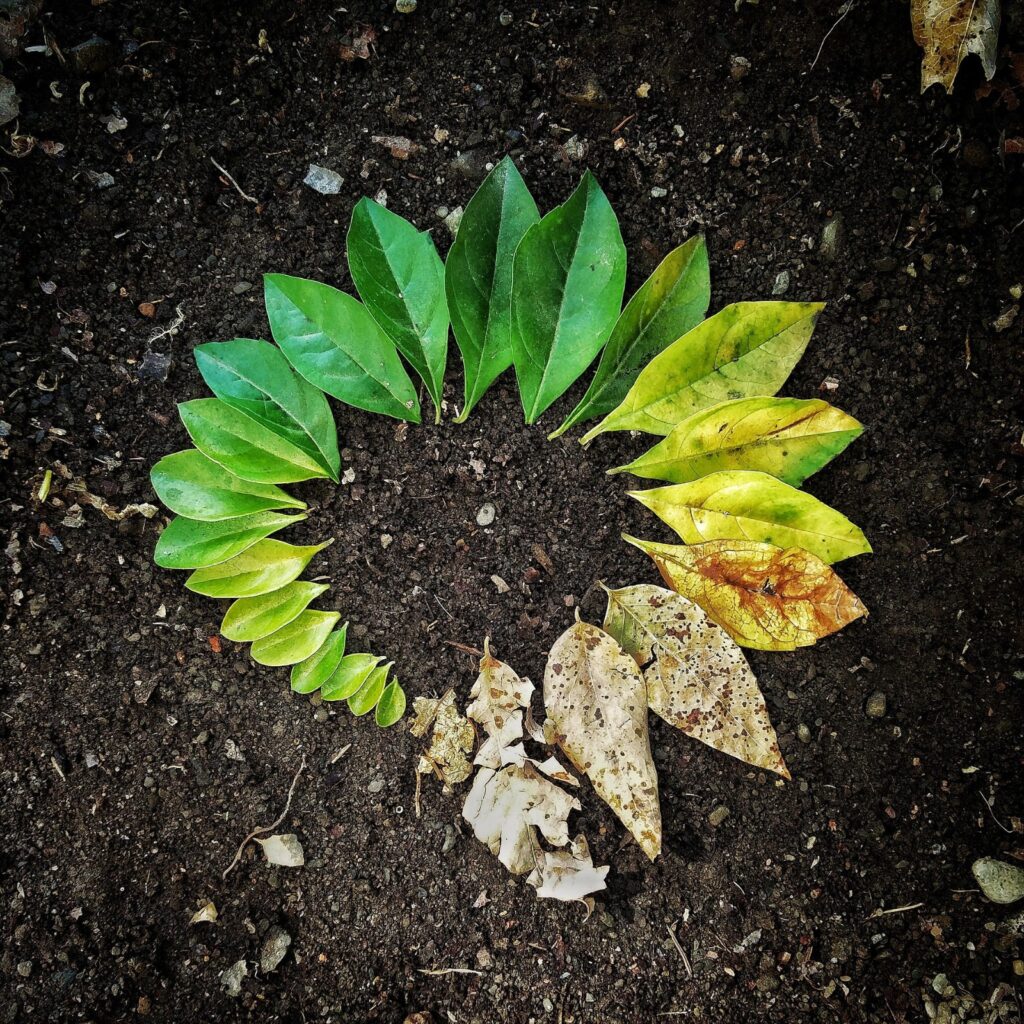
If I am to die, it is because I have completed my cycle and finished all the learning in this life.
For all these reasons, I invite you to ask yourself: Is death really an enemy? Or can it be a faithful companion that guides me to live more fully, take responsibility for my life, and live it as I truly wish?
And if today were a decisive day in your life, would you act the same way? Continue deepening on this inner path.