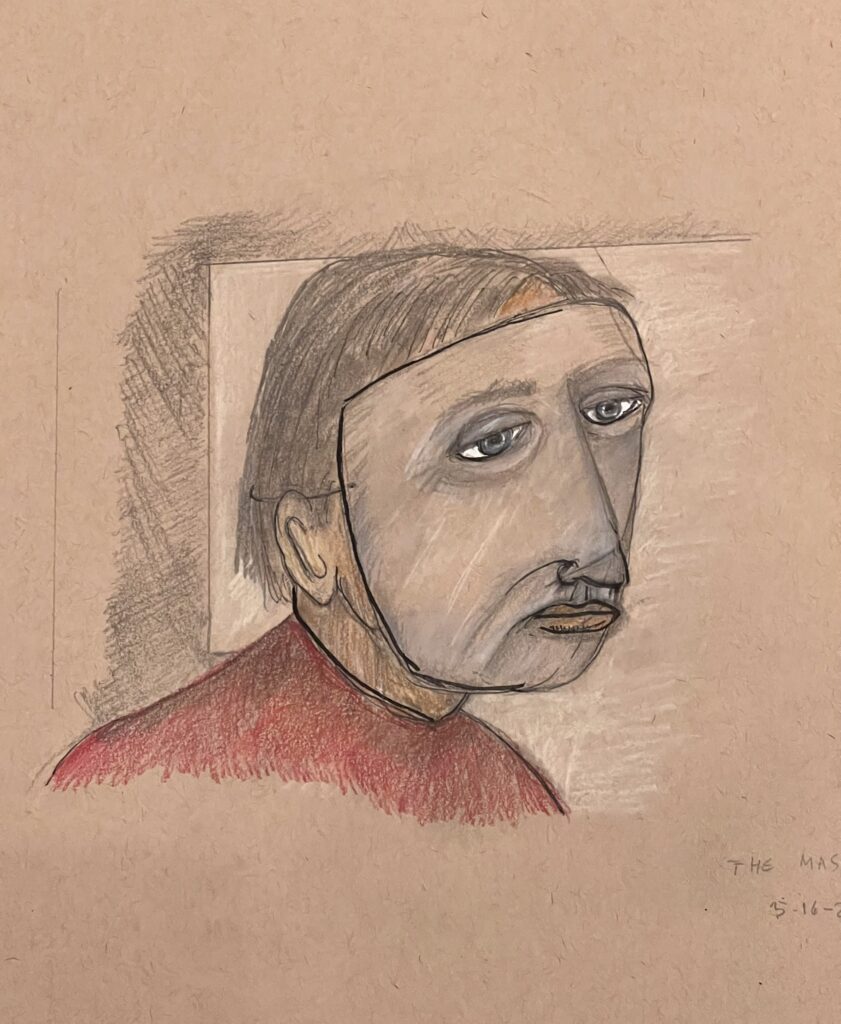



One of the fundamental principles of spiritual life is to live in the present—to embrace the here and now as a way of staying attentive to life’s essential reality: to be fully part of it in every sense. When this “calling” becomes a way of life, the circumstances we encounter cease to be random events, and instead become meaningful experiences that shape our journey. In this way, Ortega y Gasset’s famous statement, “Man is himself and his circumstance,” becomes a series of conscious experiences, rather than accidental occurrences beyond individual will.
Today we might say, “The human being is oneself and one’s circumstance.”
Even so, the past occasionally resurfaces, coloring the circumstances of the present. Although those who follow a spiritual path pursue a transcendent purpose, they remain human
Human Imperfection as the Starting Point for Growth
Human nature is inherently incomplete. As a result, people make mistakes they later regret. Spiritual practice gradually fills the gaps created by these shortcomings, while fostering a deeper understanding of one’s limitations. Over time, this work transforms one’s state of consciousness, leading to behavior that becomes more inclusive and increasingly focused on the needs of the whole, rather than on personal interests alone. This process reveals another essential spiritual virtue: humility.
Another distinctive quality of spirituality in healing the wounds of the past is resilience. Although resilience is not exclusive to spiritual seekers, it is strengthened by recognizing that we are part of a greater whole, and by the willingness to recover from what cannot be changed: the past. It is a form of self-forgiveness, coupled with a commitment to leave past mistakes behind, grounded in the awareness that they need not be repeated. This transformation arises from seeing oneself honestly in the light of the transcendent values that guide spiritual life.
Those who choose to live by spiritual values and commit to a path of inner development continually transform their state of consciousness. As a result, alongside humility and resilience, another virtue emerges: the ability to live consciously.
Guilt and Its Burden: How Consciousness Heals the Soul
One of the greatest burdens that magnifies the past’s influence on the present is guilt. Human nature inevitably leads us to make mistakes that leave lasting marks on our conscience, much like scratches on a car’s body. In such cases, only a profound act of humility, an acceptance of our humanity, and the gradual evolution of consciousness can serve as the “body repair shop” that restores what has been damaged.
Another significant way the past shapes our lives is through the decisions we make. Although every decision is influenced by many factors, the true reasons behind those choices often become blurred and hidden over time. Not everyone who experiences the consequences of those decisions knows the circumstances that gave rise to them, and people may judge those who made them without understanding why.
Taking Responsibility: The Essential Step Toward Freedom from the Past
Taking responsibility for the consequences of our past is essential to prevent feelings of guilt from eroding the person we are today.
Spiritual values encourage personal reflection, helping to heal the wounds left by the past—wounds that often obstruct the peace and harmony so necessary in our present relationships.
Yet spiritual values alone are not enough to bring about this transformation. They must be accompanied by sincere inner work that changes one’s state of consciousness, allowing those values to be deeply internalized and to become the guiding force behind one’s actions. The foundation of this work is perseverance: faithfully practicing a way of life that gradually permeates one’s inner reality and reshapes habitual patterns of behavior, so that they are no longer governed by self-interest, personal comfort, or individual desires.
Developing a sense of purpose that harmoniously integrates the mind, body, and spirit is part of the aim of this inner work. Its natural expression extends beyond the individual into one’s relationships with others, leading to a conscious integration with the greater whole as a transcendent aspiration.
Seen in this light, the past no longer feels like a burden when it unexpectedly reappears. It has already been integrated and transformed into acts of altruism and selfless service—qualities that may have been absent earlier in life.
Spirituality does not erase what each of us has lived through, but it can profoundly transform how we carry those experiences.
The following words are offered to the reader to reflect upon:
What decision from your past could you view today with greater understanding and less judgment?